How to Choose Commercial Roofing Services for Your Property
Understanding Commercial Roofing Systems
When you manage a commercial property, the roof is one of the most critical parts of the building envelope. It protects inventory, equipment, employees, and customers. Unlike residential roofing, commercial systems often span larger areas with more complex geometry, including flat or low-slope designs. Choosing the right commercial roofing services means understanding the options available and matching them to your specific needs.
A common mistake is assuming one type of roof works for every building. For instance, a built-up roof (BUR) with multiple layers of asphalt and gravel offers durability but adds weight. A single-ply membrane like TPO or PVC is lighter and reflects heat, which can reduce cooling costs. Modified bitumen combines flexibility with strength and is often used on roofs with foot traffic. Each system has trade-offs in cost, lifespan, and maintenance requirements.
When you evaluate commercial roofing services, you are really evaluating the expertise of the contractor in these systems. A firm that only installs one type may push that solution even when another would perform better. You want a contractor who can lay out the pros and cons in plain language and let you decide based on your budget and priorities.
Flat Roofs vs. Low-Slope Roofs
Most commercial buildings have flat or low-slope roofs to accommodate HVAC units, skylights, and drainage systems. Flat does not mean perfectly level; there is always a slight pitch for water runoff. Low-slope roofs typically have a pitch of 2:12 or less. The drainage strategy is critical because standing water accelerates wear. A good contractor checks for proper slope during installation and ensures scuppers, gutters, and internal drains are clear and correctly placed.
On older buildings, you might find a roof that was originally designed with a certain slope but has settled over time. This creates ponding areas where water collects. A smart approach is to add tapered insulation during re-roofing to restore proper drainage. This adds upfront cost but prevents premature failure. The best commercial roofing services take this kind of long view.
Key Factors in Selecting a Roofer
Start with credentials. A reliable contractor carries general liability insurance and workers' compensation. They should also have manufacturer certifications for the products they install. Many membrane warranties require certified installers or the warranty is void. Ask for proof of certification before signing anything.
Next, look at experience with your building type. A contractor who works mostly on strip malls may not be the best fit for a warehouse with a 50,000-square-foot roof. Experience with similar square footage, roof access challenges, and tenant coordination matters. Ask for references from projects of comparable size and complexity.
Communication is another factor. A good roofer provides a detailed written proposal that includes materials, labor, timeline, cleanup, and warranty terms. Vague estimates lead to change orders and budget overruns. The proposal should also specify how they handle unexpected issues like rot or structural damage found during tear-off.
Warranties and What They Cover
Roof warranties come in two main types: material warranties from the manufacturer and workmanship warranties from the contractor. Material warranties cover defects in the membrane itself, like blistering or cracking. Workmanship warranties cover installation errors, such as poor seam welding or inadequate flashing. A typical workmanship warranty lasts two to five years, though some contractors offer up to ten. Make sure you understand what voids the warranty. For example, walking on a TPO roof without protective mats may void coverage.
Another point to check is whether the warranty is transferable. If you plan to sell the property within the warranty period, a transferable warranty adds value. The best commercial roofing services will help you navigate these details and put everything in writing.
Common Pitfalls and How to Avoid Them
One frequent issue is improper flashing around roof penetrations. Every vent pipe, exhaust fan, and skylight is a potential leak point. Flashing must be installed with the right materials and techniques for the roof type. A contractor who rushes this step will leave you with callbacks later.
Another problem is inadequate insulation. Many older commercial roofs have little or no insulation, leading to energy loss and condensation. Adding rigid insulation during re-roofing improves thermal performance and can help with noise reduction. But you have to balance thickness with door and curb heights. A good contractor will measure existing clearances and recommend an insulation package that works.
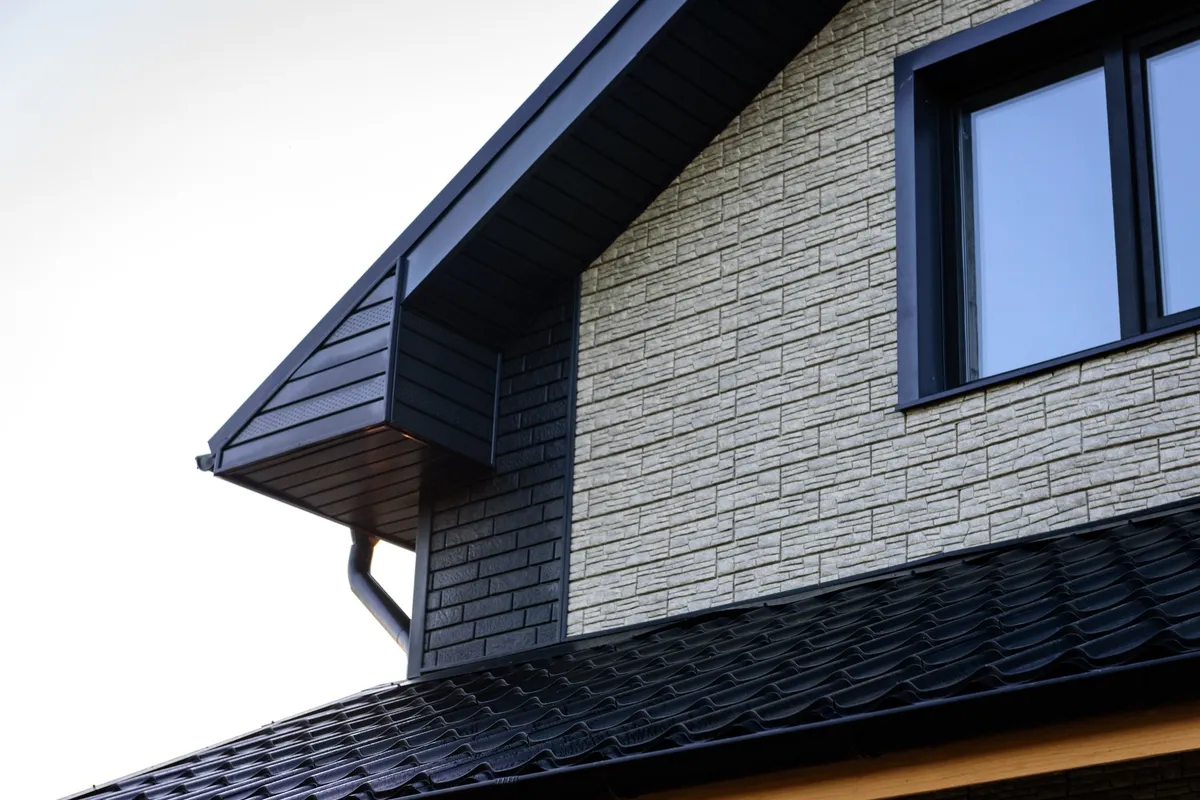
Drainage is a third common issue. Gutters and downspouts clogged with debris cause water to back up under the membrane. Even a well-installed roof fails if water cannot escape. Regular maintenance, including debris removal and drain inspection, is essential. Some contractors offer maintenance plans, which can extend roof life significantly.
Maintenance and Inspection
Even the best roof needs periodic attention. A twice-yearly inspection in spring and fall catches small problems before they become big ones. Look for blisters, punctures, loose seams, and debris buildup. After severe weather, an extra inspection is wise. Many commercial roofing services offer inspection-only visits, separate from repair work. This can be a cost-effective way to track the roof's condition over time.
If you own a multi-tenant property, coordinate maintenance with your tenants. Alert them before inspections so they can move stored items away from roof hatches. Also, make sure your lease agreements address roof access and responsibility for repairs. Clear policies prevent disputes.
When to Repair vs. Replace
Small leaks can often be patched, but frequent repairs signal a larger problem. If your roof has more than two or three leaks per year, or if the membrane is over 15 years old, replacement may be more cost-effective than continued patching. A contractor can perform a core cut to check insulation condition. If the insulation is wet or deteriorated, replacement is the better option.
Budget also plays a role. A full replacement costs more upfront but eliminates recurring repair bills and potential interior damage. Some building owners opt for a recover, which means installing a new membrane over the old one. This saves money but only works if the existing roof is structurally sound and the local building code allows it. A good contractor will explain the trade-offs without pressure.
Weather and Scheduling Considerations
Roofing work is weather-dependent. In northern climates, the season for hot-mopped asphalt is limited because the material needs high temperatures to flow properly. Cold-weather adhesives exist for single-ply membranes, but they require careful handling. A realistic schedule accounts for weather delays. Ask your contractor how they handle rain days and whether they have backup plans to keep the building dry during tear-off.
If your building is occupied, plan for noise and disruption. Tear-off is loud, and the work may require closing certain areas or rerouting foot traffic. A professional contractor communicates the schedule in advance and works to minimize downtime. Some offer weekend or night work to avoid business hours, though that may increase labor costs.
Final Considerations
Selecting the right partner for your project comes down to trust, transparency, and track record. The best commercial roofing services combine technical knowledge with clear communication. They help you understand the options, anticipate challenges, and plan for the long term. Investing time in the selection process pays off in fewer leaks, lower energy bills, and a roof that performs for decades.
For those in the Downers Grove area, Royal Craft Home Remodelers Inc. has been providing exterior remodeling and roofing services since 1973. Located at 1525 Ogden Ave Ste e, Downers Grove, IL 60515, they can be reached at +1 630-725-1000. Their focus on roofing, siding, windows, doors, and gutters makes them a practical resource for commercial property owners seeking dependable workmanship.
Connect with us on Instagram.